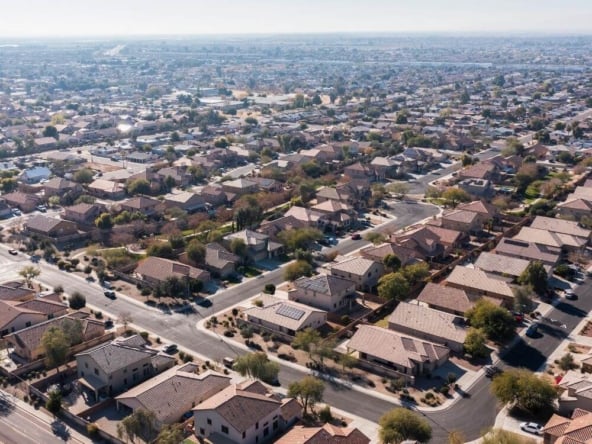
With soaring home prices, shifting rental dynamics, and economic uncertainties, the decision to buy or rent in Arizona in 2025 isn’t as straightforward as it once was. Whether you’re moving to Phoenix, Tucson, or a smaller market, here’s a comprehensive breakdown to guide your choice—and help you make a financially sound move.
1. The Arizona Housing Market in 2025: What’s Driving It?
First things first, Arizona’s housing scene is dynamic right now. The state continues to attract new residents thanks to job opportunities, a sunny climate, and relative affordability compared to states like California. Phoenix and Tucson remain growth hot spots with active real estate markets and rising demand for both buying and renting.
A Buyer’s Market or Not?
Despite high demand, some experts suggest the market is slowly shifting in favor of buyers. Inventory is still lower than pre-pandemic levels, but there are signs that price reductions and creative listing strategies are emerging.
Interest Rate Impact
Meanwhile, mortgage interest rates remain elevated, around the mid-6 percent range for a 30-year fixed loan, which dampens affordability for buyers and often tips the scales toward renting, at least for now.

2. Buying vs. Renting Costs: Crunching the Numbers
Let’s compare the financial realities:
Monthly Cost Comparison
In many Arizona cities, Homeownership still comes with a premium:
- In Phoenix, buying costs roughly $1,000 more per month than renting .
- Tucson, still sizable, shows a $784/month premium for buyers .
- In places like Scottsdale, the difference skyrockets to about $3,800 more per month .
On the flip side, cities like Surprise, Buckeye, Gilbert, Chandler, Tempe, and Goodyear show homeownership as more affordable than renting, with renters paying approximately 15% more in some cases .
The Hidden Costs of Homeownership
Even beyond mortgage payments, homeowners must budget for insurance, maintenance, property taxes, and HOA fees, costs that add up quickly. Insurance alone can cost $2,100+ annually, and moving costs can range from $2,100 to $4,000 depending on distance.
Renting: A More Affordable Option?
In today’s market, renting may offer immediate cost savings. According to financial experts, renting can be more affordable monthly and better suited for those unsure how long they’ll stay, especially when factoring in hidden ownership costs.
3. Choosing Between Buying and Renting: Key Questions
To figure out which path works best for you in 2025, ask yourself:
How long do you plan to stay?
If you’re staying longer than 6-10 years, buying may pay off in the long run via equity and home appreciation. But if it’s short-term, renting offers flexibility and fewer financial surprises.
Can you afford the upfront costs?
Do you have enough savings for a down payment, closing costs, insurance, and moving expenses? These initial costs are often underestimated.
What’s your tolerance for maintenance and unpredictability?
Renting relieves you of upkeep, while ownership brings freedom and responsibility, both financially and physically.
Location matters, what are local cost dynamics?
Cities like Surprise and Buckeye offer a clear cost advantage for buyers. Meanwhile, trendy areas of Phoenix or Tucson may still favor renting on a monthly cost basis.
4. Market Trends Influencing the Decision
Rental Market Trends in 2025
Arizona renters are seeing new benefits. A state law banning municipal rental taxes took effect in 2025, saving renters around $38/month in cities like Phoenix. Plus, stable job markets and strong rental demand are keeping rents competitive, but not skyrocketing, in key metros like Phoenix, Tucson, Mesa, and Chandler.
Institutional Buyers Are Backing Off
Institutional (corporate) buyers are stepping back in Arizona’s housing market. In Q1 of 2025, they purchased only 6.9% of homes statewide—a year-over-year drop—easing some buying competition for individuals.
5. Weighing the Pros and Cons
Buying in Arizona 2025
Pros:
- Builds equity over time
- Potential tax advantages and stability
- Low property taxes (~0.45%)
- Ideal for long-term residents
Cons:
- Higher monthly costs in many areas
- Upfront and ongoing hidden expenses
- Mortgage rates remain elevated
Renting in Arizona 2025
Pros:
- Lower upfront and monthly costs (depending on city)
- New tax relief on rentals
- Strong rental inventory and flexibility
- Ideal if staying short-term or in flux
Cons:
- No equity gains
- Less stability and personal freedom to modify space
- Possible rent inflation over time

Looking to buy a home in Peoria?
6. Regional Breakdown: Buying vs. Renting Across Arizona
While statewide averages are helpful, the decision to buy or rent in Arizona in 2025 often depends on the specific city or region you’re considering. Let’s break it down:
Phoenix Metro Area
- Buying: Higher monthly costs compared to renting in central Phoenix and Scottsdale. Expect to pay $1,000–$3,800 more per month depending on neighborhood.
- Renting: Attractive for young professionals or families who want to stay flexible. Rental inventory remains strong, especially in apartments and townhomes.
Tucson
- Buying: Still more expensive on a monthly basis, with buyers paying nearly $800 more than renters.
- Renting: Popular among students, retirees, and military families at Davis-Monthan Air Force Base. Flexibility and affordability make renting appealing here.
Suburban Growth Areas (Buckeye, Surprise, Goodyear, Gilbert, Chandler)
- Buying: In cities like Surprise and Buckeye, owning a home can actually be cheaper than renting. Home appreciation is strong thanks to population growth.
- Renting: Still viable for short-term living, but monthly rent can exceed mortgage costs in these suburbs.
Flagstaff & Northern Arizona
- Buying: Higher costs due to limited supply and strong demand. Mountain and university towns carry a premium.
- Renting: Competitive but offers flexibility for those not ready to commit to high property prices.
Bottom line: In 2025, renting makes sense in central cities, while buying may be the smarter financial choice in growing suburbs where monthly ownership costs can actually be lower.
7. Interest Rates and Future Housing Supply
Mortgage Rate Forecasts
Mortgage rates remain one of the biggest factors in the buy vs rent decision in 2025. As of early 2025, 30-year fixed rates hover in the 6%–7% range. While some economists predict a slight decline later this year, rates are unlikely to return to the 3%–4% lows of the pandemic.
This means buyers need to carefully weigh affordability and consider whether they can lock in a rate before further increases. Refinancing down the road is always an option, but you must be prepared for higher payments in the near term.
Housing Supply Outlook
Arizona is still facing a housing shortage, though new construction in Buckeye, Queen Creek, and Casa Grande is adding supply. Builders are also offering incentives such as rate buydowns and closing cost assistance, which could tip the scales toward buying if you find a good deal.
8. The Lifestyle Factor
While finances are crucial, the choice to buy or rent also comes down to lifestyle priorities.
- Buying: Provides stability, the freedom to remodel, and a sense of ownership. Best for those planning to stay 7–10 years or longer.
- Renting: Offers flexibility, mobility, and fewer responsibilities. Perfect if you’re unsure about your job, family plans, or where you want to settle long-term.
Ask yourself: Do I want to plant roots or keep my options open? In 2025, that question matters just as much as dollars and cents.
9. Tax Advantages and Financial Perks
Buying
- Mortgage interest and property taxes can provide deductions (though consult a tax professional for eligibility).
- Arizona’s property tax rate is among the lowest in the U.S. at ~0.45%.
- Over time, equity builds wealth, especially in a growing state like Arizona.
Renting
- New in 2025: renters save money thanks to the ban on rental taxes in Arizona. This puts an average of $30–$40 per month back in tenants’ pockets.
- Lower upfront costs mean you can invest savings elsewhere, like in retirement accounts or the stock market.

10. Practical Tools to Help You Decide
If you’re torn between buying or renting in Arizona in 2025, here are some tools and strategies:
- Rent vs Buy Calculator – Plug in Arizona-specific numbers (home price, mortgage rate, HOA fees, rent, etc.) to compare.
- Break-even Analysis – Calculate how many years it would take for buying to be cheaper than renting based on current costs.
- Budget Check – Follow the 28/36 rule: no more than 28% of your gross income toward housing, and no more than 36% toward total debt.
- Market Watch – Track your target city’s trends. Buckeye might favor buyers, while Phoenix may lean toward renters.
11. Who Should Buy in 2025?
Buying in Arizona this year makes sense if you:
- Plan to stay at least 7–10 years.
- Have a stable job and income.
- Can afford a down payment and still keep a healthy emergency fund.
- Value stability and building equity over flexibility.
12. Who Should Rent in 2025?
Renting may be better if you:
- Expect to relocate within 5 years.
- Want flexibility without the responsibility of home maintenance.
- Don’t yet have savings for a down payment and closing costs.
- Prefer to wait and see if rates or home prices adjust in the next few years.
Should You Buy or Rent in Arizona in 2025?
The decision between buying vs renting in Arizona in 2025 isn’t one-size-fits-all. In many central cities, renting is still the more affordable choice month to month. But in fast-growing suburbs, buying may not only cost less, it could also build long-term wealth.
Ultimately, your decision depends on:
- How long you’ll stay
- Your financial health
- Your tolerance for risk and maintenance
- Lifestyle goals and flexibility
If you’re committed to Arizona for the long haul, buying could set you up for future equity gains. But if you value mobility and lower upfront costs, renting remains a smart and financially savvy option.

Arizona Living Group
Associate Broker at EXP Realty
Looking for a home in AZ? Our team of realtors are ready to help you find your dream home!